Hunger
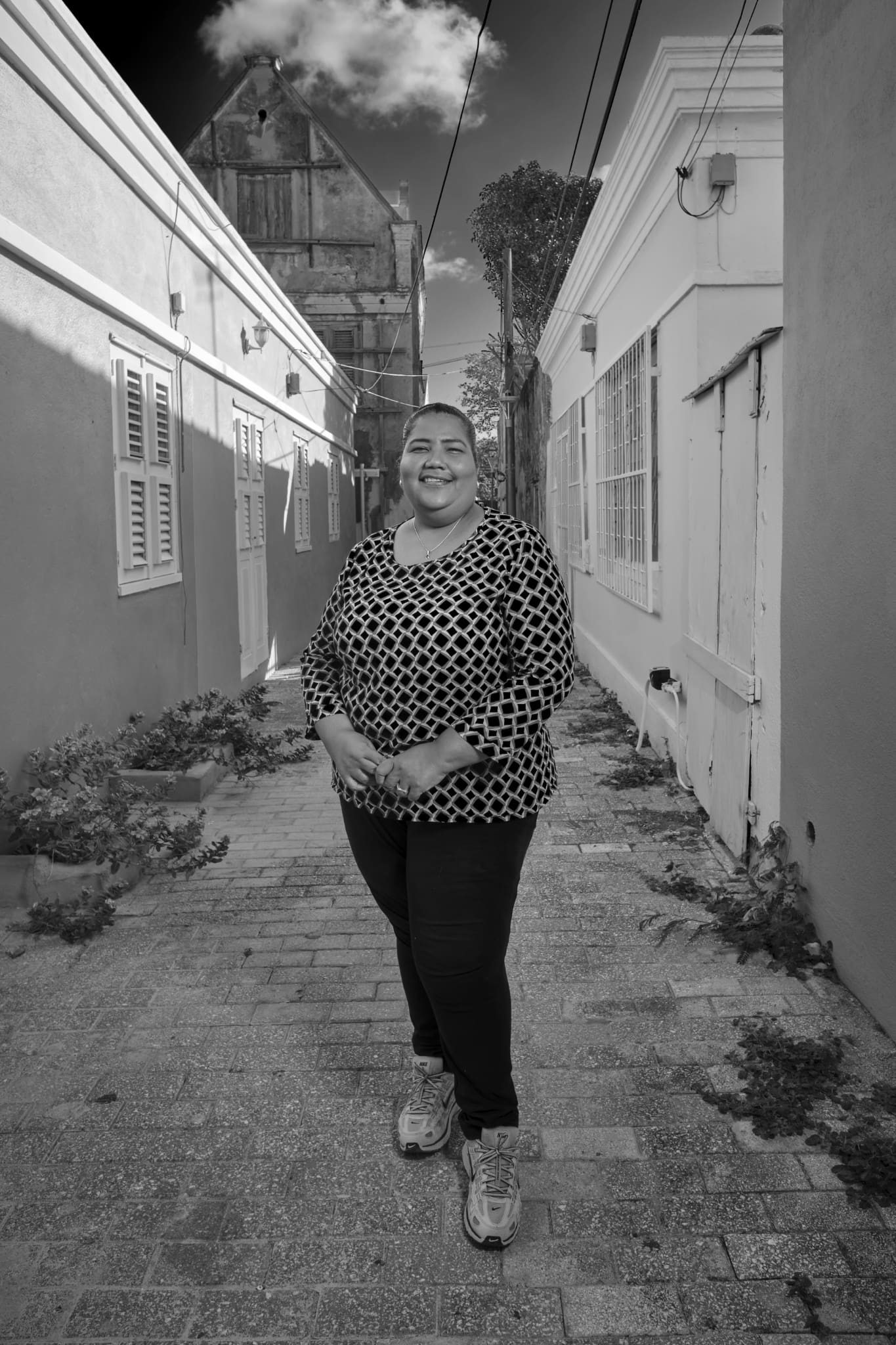
For nutritionist Cindy Eman, access to healthy food is not only a question of personal choice, but also of income, opportunity and public policy. She argues that a large part of Curaçao’s population does not have access to the nutritious diet it needs, and that children are among those most affected.
Eman points in particular to schoolchildren who start the day without an adequate breakfast, or sometimes without breakfast at all. Many also lack the money to buy food at school. In her view, hungry children cannot be expected to concentrate, learn and perform at their best throughout the school day.
At the same time, having food available does not necessarily mean having access to healthy food. Eman warns that many affordable foods are high in unhealthy carbohydrates, sugars and fats, contributing to widespread obesity and other health problems.
She therefore argues that government policy should make unhealthy foods less attractive while making healthy essentials more affordable. Measures could include taxes on sugar and unhealthy fats, price controls on basic healthy foods, and greater investment in sustainable local food production.
Her interview raises another central question of Lamchinan Ekskluí ku Por Yega Shelu: can people truly make healthy choices when healthy food is beyond their reach?