Colorism
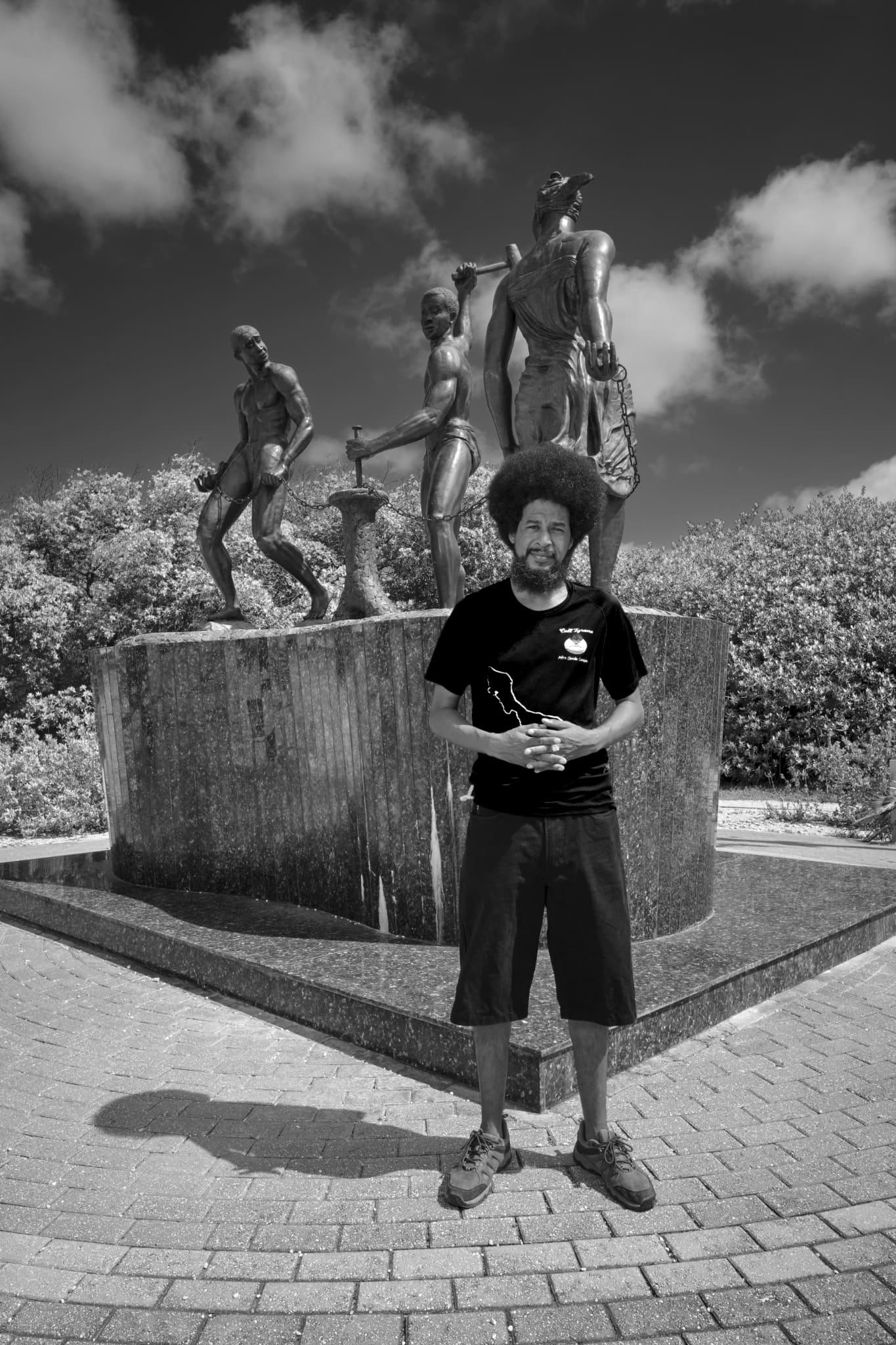
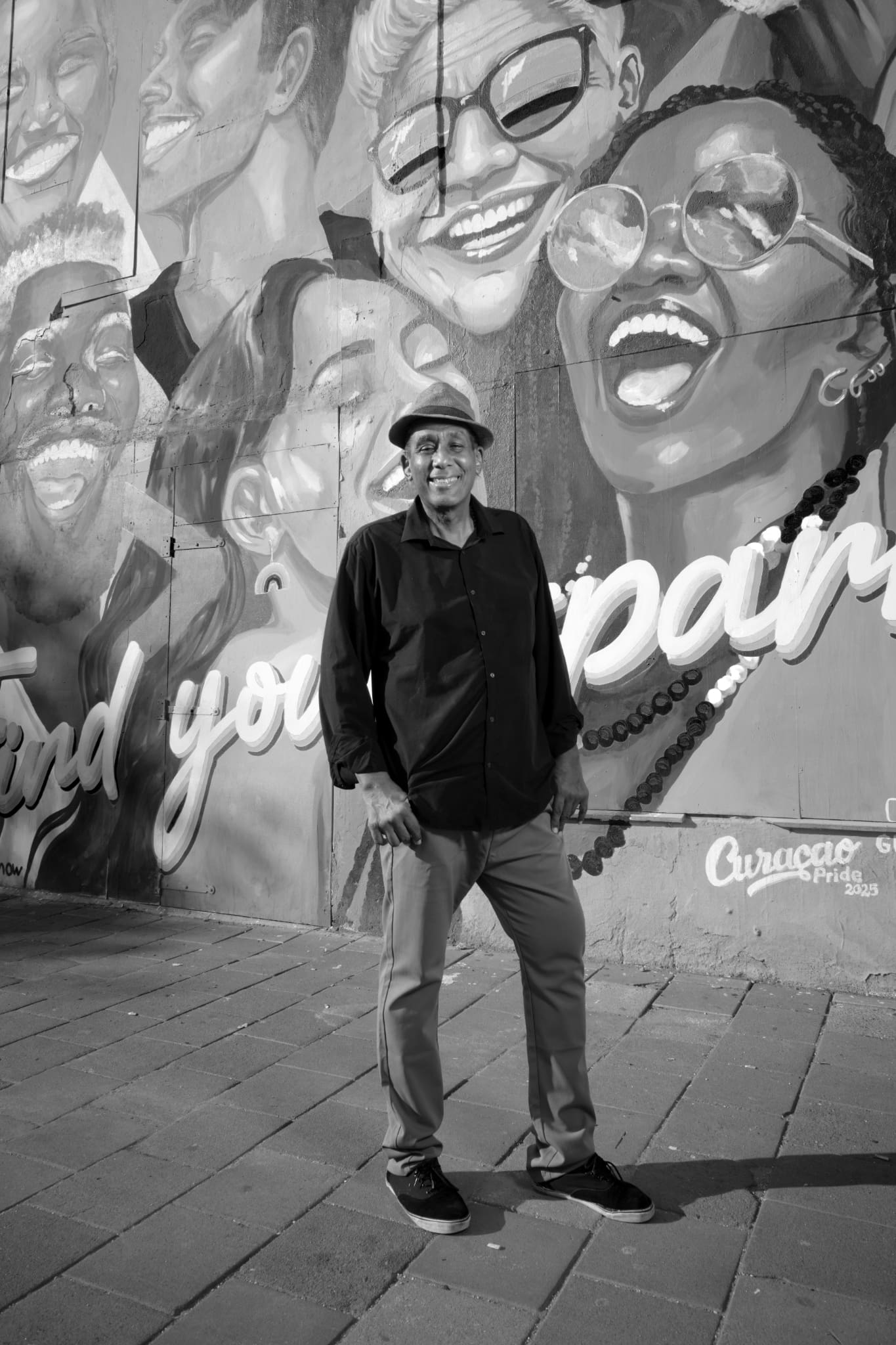
For tourism guide and entrepreneur Tyrone Brunken, exclusion can begin with something as visible and personal as hair. Growing his natural hair was a conscious act of reclaiming Black identity and heritage in a society where, he argues, natural Black hair is still often judged as insufficiently professional or presentable. Rather than adapting himself to those expectations, Brunken chose to challenge them.
That same choice shaped his work in tourism. While training as a tour guide, he was advised not to speak too much about slavery and colonialism because these subjects might make visitors uncomfortable. For Brunken, however, Curaçao’s history should not be hidden to preserve an uncomplicated image of sun, sea and beaches. He eventually started his own company partly so he could speak freely about the island’s colonial past and its continuing influence on society.
Brunken also discusses colorism: the preference for lighter skin and the belief that lighter-skinned people have better opportunities. He sees this not as a separate problem, but as a legacy of racism that continues to divide people.
Although he doubts racism can disappear within one generation, Brunken believes silence guarantees that nothing changes. Like those who fought for freedoms they might never experience themselves, he sees his work as being for future generations.
His interview asks: what must we confront today so that those who come after us can live with greater freedom and equality?